Ōtākaro Avon River Corridor December update
January 5, 2026
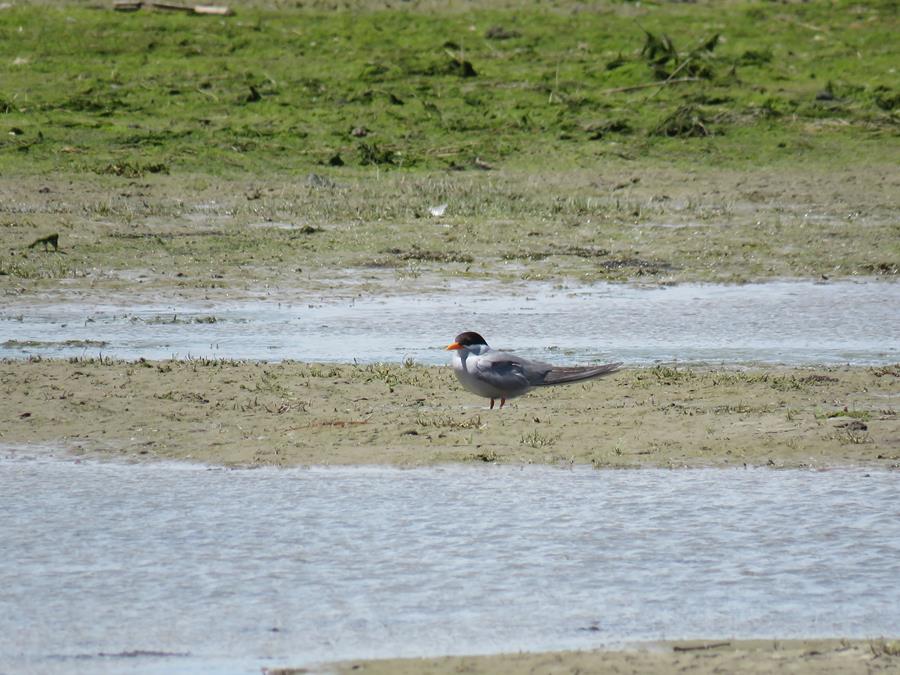
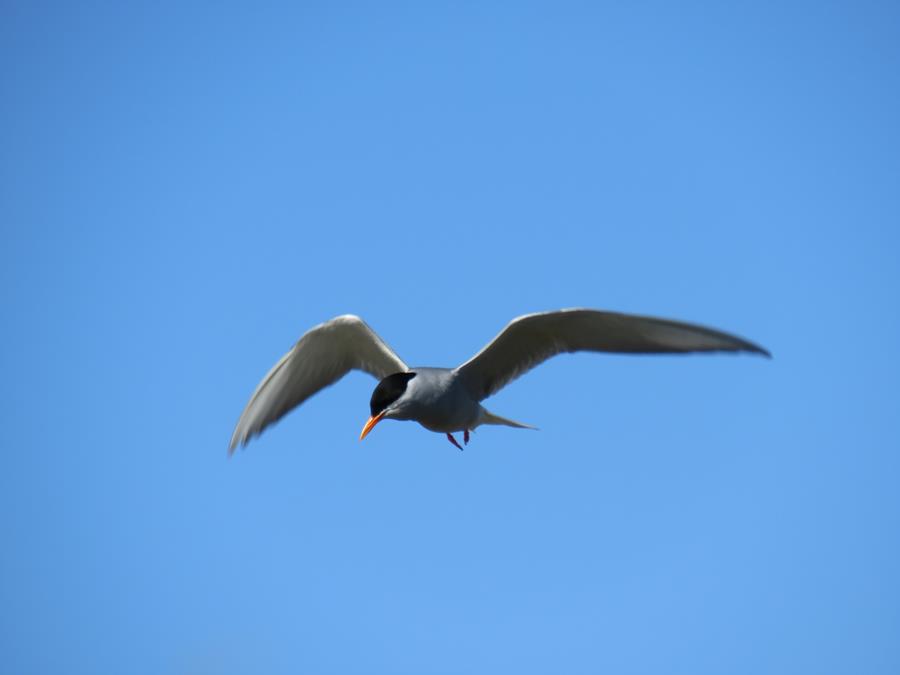
Endangered black-fronted tern spotted in OARC
The Waitaki Street wetland, located upstream of Pages Road, is the first of the tidal wetlands established within the Ōtākaro Avon River Corridor (OARC) red zone. The wetland lies between a newly constructed stopbank and the Avon River, where former riverbanks have been reshaped into shingle-topped nesting islands designed to support river-nesting birds.
A natural process of vegetation succession is now underway. With the reintroduction of tidal inundation, exotic grasses and weeds have largely died back, allowing native salt-tolerant species to naturally establish. This has resulted in the development of an authentic mosaic of salt meadow and saltmarsh habitat.
Since tidal water was introduced earlier this year, the wetland has been rapidly adopted by native birds, with more than 20 species recorded to date. These include waders such as oystercatchers, stilts and plovers; native waterfowl including grey teal, shoveler, paradise shelduck and black swan; as well as gulls, herons and spoonbills. The white heron / kōtuku—classified as nationally critical—was a regular visitor throughout autumn and winter. Other threatened species recorded have included crested grebe, grey duck and Caspian tern.
The most recent species to discover the wetland is the black-fronted tern, a South Island endemic classified as nationally endangered. First observed in late August, individuals have since been recorded in September and November. While small numbers of black-fronted terns regularly overwinter in the estuary, their presence this far upriver—particularly during the spring breeding season—is highly unusual. As the site continues to mature over the coming decade, we are keen to see whether this species will nest on the former riverbank islands.
In preparation for the 2026 breeding season, fencing and buffer planting will be established along the landward margins of the Waitaki Street Basin to provide increased protection and enhance breeding success for an expanding community of native wetland birds.
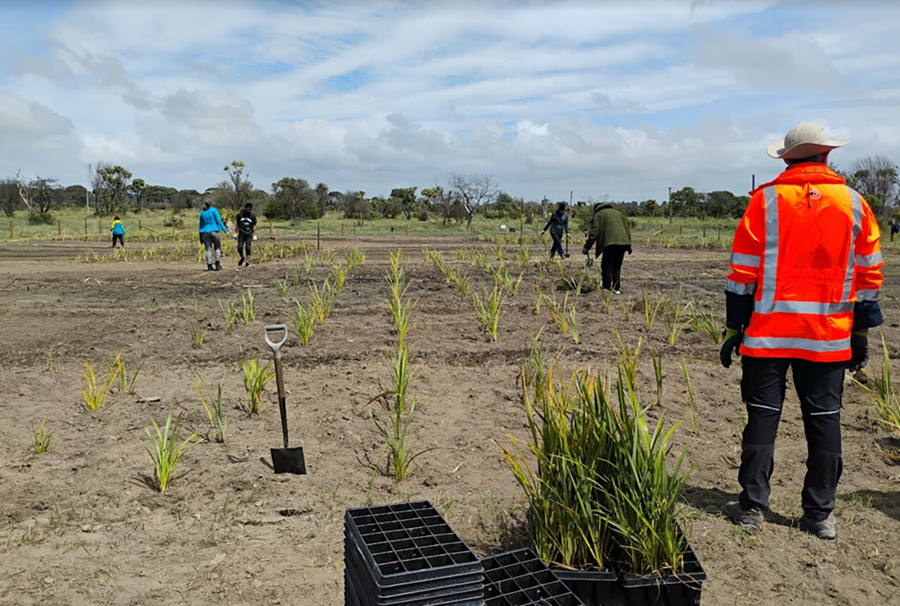
Using plants to heal red zone soils
Council has partnered with the University of Canterbury and Living Earth to launch a phytoremediation trial on a site in the Bexley red zone. This ‘green technology’ uses specific plants including native Harakeke and Poroporo as well as fodder beet, alongside soil conditioners like biochar, compost and fish fertiliser to naturally break down contaminants and lock heavy metals safely in the soil.
The goal is to prove that we can manage these soils effectively on-site. If successful, this approach will be a win for both the environment and the ratepayer; it would allow us to avoid the massive costs and carbon emissions associated with rigorously testing and trucking thousands of tonnes of material to managed landfills. Instead of carting soil away, we can use nature to restore the land while boosting local biodiversity. This is a three-year project, and we expect to start obtaining results next year.
Turning old roads into new resources
Environment Canterbury has given the Council the green light to launch our long-planned coal tar bioremediation trial. After the Christmas break, staff will excavate a section of Avonside Drive near Avon Park to provide material for this pilot, which uses a nature-based solution to solve a historic infrastructure challenge.
Instead of the traditional (and very expensive) process of trucking contaminated roading material to a managed landfill, we are testing a way to clean the material using a hybrid composting process. By introducing specialist microbes and fungi, we can naturally break down harmful compounds until the material is safe to reuse in our park projects. This trial offers a huge opportunity to slash both disposal costs and transport-related carbon emissions, turning hazardous waste into a sustainable resource for the city.
Avon Park open for summer picnics
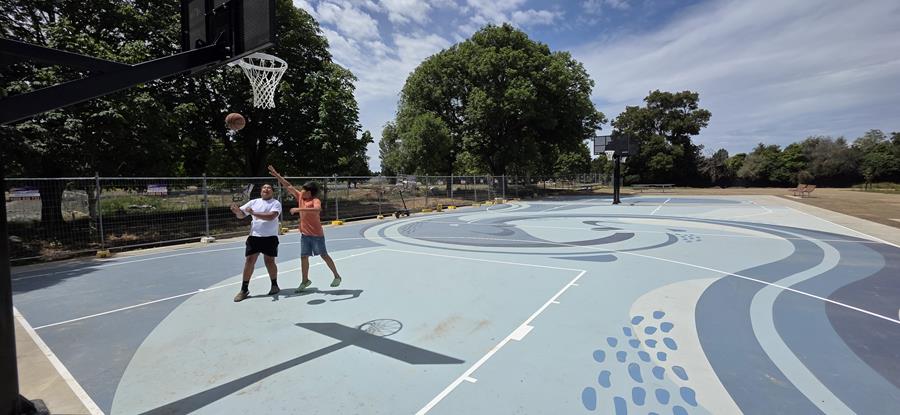
Avon Park’s basketball court, the rope swing and BBQ area are open now, in time for summer family picnics.
The lower terrace wetland, pump track and exploration trails will all open by the end of February 2026.
The Snell Bridge entrance and boardwalk will be open until 12 January when construction will resume on site.
The entrance will be closed until completion by the end of February 2026.
New dog rules in the former red zone
People with dogs have new rules to get familiar with in the Ōtākaro Avon River Corridor. These rules apply to the whole river corridor, including the Avon Loop.
Dogs must be leashed in these areas:
·Habitat restoration areas
·Near wildlife – dogs must not disturb or chase wildlife
·On the City to Sea Pathway
Dogs can run free, under effective control, in these areas:
·Grass areas that we mow
·Roads that are no longer open to vehicles
Dogs can swim:
Dogs may enter the river from mown riverbank areas, but not from planted or naturalised areas (where they must be leashed as above).

Southshore and South New Brighton estuary
The Southshore and South New Brighton Estuary Edge consent hearing has concluded, and a decision is expected in mid-January. Thank you to the residents who spoke - your feedback was really useful in showing the Commissioners why this work is so important.
If consent is granted, the first half of 2026 will focus on detailed design and tendering. We aim to start construction in October 2026, following the bird roosting season, and expect a roughly 16-month build time. Key changes agreed during the consenting process include a ‘soft beach’ at South New Brighton Park, full removal of old retaining structures rather than part-encapsulation and refined estuary access points.
Looking ahead to construction, we expect landward works like the bund and paths to move quickly, while the coastal edge work will proceed more slowly to minimise impacts on the estuary’s internationally significant bird populations. We look forward to continuing our close collaboration with the community via the SSRA throughout the detailed design phase next year.
Upcoming events:
Parks and Libraries are partnering in the red zone to offer two Summertimes Reading events.
Between the Bridges - Friday 16 January 10am-2pm
At Sullivan Park. Bike the new City to Sea Pathway and explore the new play space between the Medway and Dallington Bridges. Build your own bridge with loose parts and give slacklining a go.
Bugs and books at Brooker - Friday 23 January 10am-2pm
At Brooker Reserve – search for bugs, follow bugbot on an app-based adventure and explore the sensory playground with Green Lab.
Avon Park opening - Save the date - 5 March 3.30pm
Parks Week is the perfect time to celebrate and explore all the new features in Avon Park. More details to come.